Sunday, March 29, 2015

Interstitial Cystitis (IC) / Painful Bladder Syndrome (PBS) Awareness uses a Turquoise Ribbon

Support Interstitial Cystitis (IC) Turquoise Blue Awareness Ribbon Guardian Angel Rectangle Magnets Gifts
Support Interstitial Cystitis (IC) Turquoise Blue Awareness Ribbon Angel
The cause of Interstitial Cystitis (IC) / Painful Bladder Syndrome (PBS) uses a Turquoise Blue Ribbon for Awareness.  At Awareness Gallery, see more IC Awareness Ribbon Gifts or Turquoise Blue Ribbon Gifts on Awareness Gallery Zazzle or CafePress.


What is IC/PBS?

Turquoise Interstitial Cystitis (IC) Awareness Ribbon Angel Keychain (Front)
Interstitial Cystitis (IC) Awareness Ribbon Keychain (Front)
Interstitial cystitis (IC) is a condition that results in recurring discomfort or pain in the bladder and the surrounding pelvic region. The symptoms vary from case to case and even in the same individual. People may experience mild discomfort, pressure, tenderness, or intense pain in the bladder and pelvic area. Symptoms may include an urgent need to urinate, a frequent need to urinate, or a combination of these symptoms. Pain may change in intensity as the bladder fills with urine or as it empties. Women’s symptoms often get worse during menstruation. They may sometimes experience pain during vaginal intercourse.

Turquoise Interstitial Cystic (IC) Awareness Ribbon Angel Keychain (Back)
Interstitial Cystitis (IC) Awareness Ribbon Angel Keychain (Back)


Because IC varies so much in symptoms and severity, most researchers believe it is not one, but several diseases. In recent years, scientists have started to use the terms bladder pain syndrome (BPS) or painful bladder syndrome (PBS) to describe cases with painful urinary symptoms that may not meet the strictest definition of IC. The term IC/PBS includes all cases of urinary pain that can’t be attributed to other causes, such as infection or urinary stones. The term interstitial cystitis, or IC, is used alone when describing cases that meet all of the IC criteria established by the National Institute of Diabetes and Digestive and Kidney Diseases (NIDDK).

In IC/PBS, the bladder wall may be irritated and become scarred or stiff. Glomerulations— pinpoint bleeding—often appear on the bladder wall. Hunner’s ulcers—patches of broken skin found on the bladder wall—are present in 10 percent of people with IC.

Interstitial Cystitis Turquoise Awareness Ribbon Angel Pin Buttons
Interstitial Cystitis Awareness Ribbon Angel Pins
Some people with IC/PBS find that their bladder cannot hold much urine, which increases the frequency of urination. Frequency, however, is not always specifically related to bladder size; many people with severe frequency have normal bladder capacity when measured under anesthesia or during urologic testing. People with severe cases of IC/PBS may urinate as many as 60 times a day, including frequent nighttime urination, also called nocturia.
IC/PBS is more common in women than in men. 


What causes IC/PBS?

Some of the symptoms of IC/PBS resemble those of bacterial infection, but medical tests reveal no organisms in the urine of people with IC/PBS. Furthermore, people with IC/PBS do not respond to antibiotic therapy. Researchers are working to understand the causes of IC/PBS and to find effective treatments.

Many women with IC/PBS have other conditions such as irritable bowel syndrome and fibromyalgia. Scientists believe IC/PBS may be a bladder manifestation of a more general condition that causes inflammation in various organs and parts of the body.

Researchers are beginning to explore the possibility that heredity may play a part in some forms of IC. In a few cases, IC has affected a mother and a daughter or two sisters, but it does not commonly run in families.

Interstitial Cystitis (IC) Awareness Ribbon Turquoise Angel Shirt
Interstitial Cystitis (IC) Awareness Ribbon ShirtThe awareness angel t-shirt front message notes "Believe CURE Interstitial Cystitis". On the back of the shirt contains the cause message "I Hope & Support Awareness to Cure Interstitial Cystitis". The blue turquoise awareness angel ribbon art apparel can be customized

How is IC/PBS diagnosed?

Interstitial Cystitis Awareness Ribbon Angel Coffee Cups
Interstitial Cystitis Awareness Ribbon Angel Mug
Because symptoms are similar to those of other disorders of the bladder and there is no definitive test to identify IC/PBS, doctors must rule out other treatable conditions before considering a diagnosis of IC/PBS. The most common of these diseases in both sexes are urinary tract infections and bladder cancer. In men, common diseases include chronic prostatitis or chronic pelvic pain syndrome. In women, endometriosis is a common cause of pelvic pain. IC/PBS is not associated with any increased risk of developing cancer.
The diagnosis of IC/PBS in the general population is based on the
  • presence of pain related to the bladder, usually accompanied by frequency and urgency of urination
  • absence of other diseases that could cause the symptoms

Diagnostic tests that help rule out other diseases include urinalysis, urine culture, cystoscopy, biopsy of the bladder wall and urethra, and distention of the bladder under anesthesia.

Urinalysis and Urine Culture

Interstitial Cystitis (IC) Awareness Ribbon Turquoise Angel Art Custom TShirt
Interstitial Cystitis (IC) Awareness Ribbon TShirt
Examining urine with a microscope and culturing the urine can detect and identify the primary organisms that are known to infect the urinary tract and that may cause symptoms similar to IC/PBS. A urine sample is obtained either by catheterization or by the clean catch method. For a clean catch, the patient washes the genital area before collecting urine midstream in a sterile container. White and red blood cells and bacteria in the urine may indicate an infection of the urinary tract, which can be treated with an antibiotic. If urine is sterile for weeks or months while symptoms persist, the doctor may consider a diagnosis of IC/PBS.

Culture of Prostate Secretions

Although not commonly done, in men without a history of culture-documented urinary tract infections, the doctor might obtain prostatic fluid and examine it for signs of a prostate infection, which can then be treated with antibiotics.

Cystoscopy under Anesthesia with Bladder Distention

Interstitial Cystitis (IC) Awareness Ribbon Turquoise Angel Art Custom Shirt
Interstitial Cystitis (IC) Awareness Ribbon Shirt
The doctor may perform a cystoscopic examination in order to rule out bladder cancer. During cystoscopy, the doctor uses a cystoscope—an instrument made of a hollow tube about the diameter of a drinking straw with several lenses and a light—to see inside the bladder and urethra. The doctor might also distend or stretch the bladder to its capacity by filling it with a liquid or gas. Because bladder distention is painful for people with IC/PBS, they must be given some form of anesthesia for the procedure.

Biopsy

A biopsy is a tissue sample that can be examined with a microscope. Tissue samples of the bladder and urethra may be removed during a cystoscopy. A biopsy helps rule out bladder cancer.

What are the treatments for IC/PBS?

Turquoise Interstitial Cystitis (IC) Awareness Ribbon Angel Custom Art Shirt
Interstitial Cystitis (IC) Awareness Ribbon Shirt 
Scientists have not yet found a cure for IC/PBS, nor can they predict who will respond best to which treatment. Symptoms may disappear with a change in diet or treatments or without explanation. Even when symptoms disappear, they may return after days, weeks, months, or years. Scientists do not know why.
Because the causes of IC/PBS are unknown, current treatments are aimed at relieving symptoms. Many people are helped for variable periods by one or a combination of treatments. As researchers learn more about IC/PBS, the list of potential treatments will change, so patients should discuss their options with a doctor.

Bladder Distention
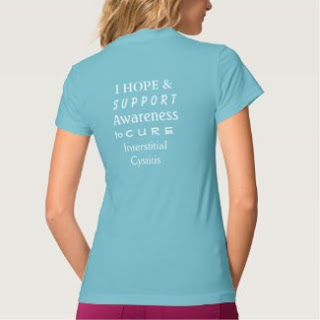
Turquoise Interstitial Cystitis (IC) Awareness Ribbon Angel Custom Art Shirt (Back)
Interstitial Cystitis (IC) Awareness Ribbon Shirt
Many people with IC/PBS have noted an improvement in symptoms after a bladder distention has been done to diagnose the condition. In many cases, the procedure is used as both a diagnostic test and initial therapy. Researchers are not sure why distention helps, but some believe it may increase capacity and interfere with pain signals transmitted by nerves in the bladder. Symptoms may temporarily worsen 4 to 48 hours after distention, but should return to predistention levels or improve within 2 to 4 weeks.

Bladder Instillation

During a bladder instillation, also called a bladder wash or bath, the bladder is filled with a solution that is held for varying periods of time, averaging 10 to 15 minutes, before being emptied.

Interstitial Cystitis (IC) Awareness Ribbon Turquoise Angel Art T-Shirt
Interstitial Cystitis (IC) Awareness Ribbon Shirt
The only drug approved by the U.S. Food and Drug Administration (FDA) for bladder instillation is dimethyl sulfoxide (Rimso-50), also called DMSO. DMSO treatment involves guiding a narrow tube called a catheter up the urethra into the bladder. A measured amount of DMSO is passed through the catheter into the bladder, where it is retained for about 15 minutes before being expelled. Treatments are given every week or two for 6 to 8 weeks and repeated as needed. Most people who respond to DMSO notice improvement 3 or 4 weeks after the first 6- to 8-week cycle of treatments. Highly motivated patients who are willing to catheterize themselves may, after consultation with their doctor, be able to have DMSO treatments at home. Self-administration is less expensive and more convenient than going to the doctor’s office.

Doctors think DMSO works in several ways. Because it passes into the bladder wall, it may reach tissue more effectively to reduce inflammation and block pain. It may also prevent muscle contractions that cause pain, frequency, and urgency.

A bothersome but relatively insignificant side effect of DMSO treatments is a garliclike taste and odor on the breath and skin that may last up to 7 hours after treatment. Long-term treatment has caused cataracts in animal studies, but this side effect has not appeared in humans. Blood tests, including a complete blood count and kidney and liver function tests, should be done about every 6 months.

Oral Drugs

Pentosan Polysulfate Sodium (Elmiron)
This first oral drug developed for IC was approved by the FDA in 1996. In clinical trials, the drug improved symptoms in 30 percent of patients treated. Doctors do not know exactly how the drug works, but one theory is that it may repair defects that might have developed in the lining of the bladder.
The FDA-recommended oral dosage of Elmiron is 100 milligrams (mg), three times a day. Patients may not feel relief from IC pain for the first 4 months. A decrease in urinary frequency may take up to 6 months. Patients are urged to continue with therapy for at least 6 months to give the drug an adequate chance to relieve symptoms. If 6 months of Elmiron therapy provides no benefit, it is reasonable to stop the drug.

Elmiron’s side effects are limited primarily to minor gastrointestinal discomfort. A small minority of patients experienced some hair loss, but hair grew back when they stopped taking the drug. Researchers have found no negative interactions between Elmiron and other medications.
Elmiron may affect liver function, which should therefore be monitored by the doctor.

Because Elmiron has not been tested in pregnant women, the manufacturer recommends it not be used during pregnancy, except in the most severe cases. Because Elmiron has mild blood-thinning effects, it should be discontinued prior to planned surgery.

Other Oral Medications

Aspirin and ibuprofen may be a first line of defense against mild discomfort. Doctors may recommend other drugs to relieve pain.
Some people have experienced improvement in their urinary symptoms by taking tricyclic antidepressants or antihistamines. A tricyclic antidepressant called amitriptyline (Elavil) may help reduce pain, increase bladder capacity, and decrease frequency and nocturia. Some people may not be able to take it because it makes them too tired during the day. In people with severe pain, narcotic analgesics such as acetaminophen (Tylenol) with codeine or longer-acting narcotics may be necessary.

All drugs—even those sold over the counter—have side effects. A person should always consult a doctor before using any drug for an extended amount of time.

Electrical Nerve Stimulation

Mild electrical pulses can be used to stimulate the nerves to the bladder—either through the skin or with an implanted device. The method of delivering impulses through the skin is called transcutaneous electrical nerve stimulation (TENS). With TENS, mild electric pulses enter the body for minutes to hours, two or more times a day either through wires placed on the lower back or just above the pubic area—between the navel and the pubic hair—or through special devices inserted into the vagina in women or into the rectum in men. Although scientists do not know exactly how TENS relieves pelvic pain, it has been suggested that the electrical pulses may increase blood flow to the bladder, strengthen pelvic muscles that help control the bladder, or trigger the release of substances that block pain.

TENS is relatively inexpensive and allows people with IC/PBS to take an active part in treatment. Within some guidelines, the patient decides when, how long, and at what intensity TENS will be used. It has been most helpful in relieving pain and decreasing frequency in people with Hunner’s ulcers. Smokers do not respond as well as nonsmokers. If TENS is going to help, improvement is usually apparent in 3 to 4 months.

A person may consider having a device implanted that delivers regular impulses to the bladder. A wire is placed next to the tailbone and attached to a permanent stimulator under the skin. The FDA has approved this device, marketed as the Inter-Stim system, to treat urge incontinence, urgency-frequency syndrome, and urinary retention in people for whom other treatments have not worked.

Diet

No scientific evidence links diet to IC/PBS, but many patients find that alcohol, tomatoes, spices, chocolate, caffeinated and citrus beverages, and high-acid foods may contribute to bladder irritation and inflammation. Some people also note that their symptoms worsen after eating or drinking products containing artificial sweeteners. Eliminating various items from the diet and reintroducing them one at a time may determine which, if any, affect a person’s symptoms. However, maintaining a varied, well-balanced diet is important.

Smoking

Many people feel smoking makes their symptoms worse. How the by-products of tobacco that are excreted in the urine affect IC/PBS is unknown. Smoking, however, is a major cause of bladder cancer. One of the best things smokers can do for their bladder and their overall health is to quit.

Exercise

Many patients feel that gentle stretching exercises help relieve IC/PBS symptoms.

Bladder Training

People who have found adequate relief from pain may be able to reduce frequency by using bladder training techniques. Methods vary, but basically patients decide to void—empty their bladder—at designated times and use relaxation techniques and distractions to keep to the schedule. Gradually, they try to lengthen the time between scheduled voids. A diary in which to record voiding times is helpful in keeping track of progress.

Physical Therapy

New evidence indicates that certain types of physical therapy, when administered by an experienced physical therapist, may improve IC/PBS symptoms. Patients should discuss this option with their health care provider.

Surgery

Surgery should be considered only if all available treatments have failed and the pain is disabling. Many approaches and techniques are used, each of which has advantages and complications that should be discussed with a surgeon. A doctor may recommend consulting another surgeon for a second opinion before taking this step. Most surgeons are reluctant to operate because some people still have symptoms after surgery.

People considering surgery should discuss the potential risks and benefits, side effects, and long- and short-term complications with a surgeon, their family, and people who have already had the procedure. Surgery requires anesthesia, hospitalization, and weeks or months of recovery. As the complexity of the procedure increases, so do the chances for complications and failure.
People should check with their doctor to locate a surgeon experienced in performing specific procedures.

Two procedures—fulguration and resection of ulcers—can be done with instruments inserted through the urethra. Fulguration involves burning Hunner’s ulcers with electricity or a laser. When the area heals, the dead tissue and the ulcer fall off, leaving new, healthy tissue behind. Resection involves cutting around and removing the ulcers. Both treatments are done under anesthesia and use special instruments inserted into the bladder through a cystoscope. Laser surgery in the urinary tract should be reserved for people with Hunner’s ulcers and should be done only by doctors with the special training and expertise needed to perform the procedure.

Another surgical treatment is augmentation, which makes the bladder larger. In most of these procedures, scarred, ulcerated, and inflamed sections of the patient’s bladder are removed, leaving only the base of the bladder and healthy tissue. A piece of the patient’s colon—also called large intestine—is then removed, reshaped, and attached to what remains of the bladder. After the incisions heal, the patient may void less frequently. The effect on pain varies greatly; IC/PBS can sometimes recur on the segment of colon used to enlarge the bladder.

Even in carefully selected patients—those with small, contracted bladders—pain, frequency, and urgency may remain or return after surgery, and they may have additional problems with infections in the new bladder and difficulty absorbing nutrients from the shortened colon. Some patients become incontinent, while others cannot void at all and must insert a catheter into the urethra to empty the bladder.

Bladder removal, called a cystectomy, is another, infrequently used surgical option. Once the bladder has been removed, different methods can be used to reroute the urine. In most cases, ureters are attached to a piece of colon that opens onto the skin of the abdomen. This procedure is called a urostomy and the opening is called a stoma. Urine empties through the stoma into a bag outside the body. Some urologists are using a second technique that also requires a stoma but allows urine to be stored in a pouch inside the abdomen. At intervals throughout the day, the patient puts a catheter into the stoma and empties the pouch. Patients with either type of urostomy must be very careful to keep the area in and around the stoma clean to prevent infection. Serious potential complications may include kidney infection and small bowel obstruction.

A third method to reroute urine involves making a new bladder from a piece of the patient’s colon and attaching it to the urethra. After healing, the patient may be able to empty the newly formed bladder by voiding at scheduled times or by inserting a catheter into the urethra. Only a few surgeons have the special training and expertise needed to perform this procedure.

Even after total bladder removal, some patients still experience variable IC/PBS symptoms in the form of phantom pain. Therefore, the decision to undergo a cystectomy should be made only after testing all alternative methods and seriously considering the potential outcome.

Removing the bladder is not always done in patients with severe disease. Some urologists recommend rerouting urine to a piece of bowel connected to the abdominal wall. Urine is then collected in an external bag that is emptied periodically. While this procedure may or may not improve pelvic pain, it can decrease frequency and improve quality of life for patients who experience frequent urges to urinate.

Are there any special concerns regarding IC/PBS?

Cancer

No evidence exists that IC/PBS increases the risk of bladder cancer.

Pregnancy

Researchers have little information about pregnancy and IC/PBS but believe that the disorder does not affect fertility or the health of the fetus. Some women find that their IC/PBS goes into remission during pregnancy, while others experience a worsening of their symptoms.

Coping

The emotional support of family, friends, and other people with IC/PBS is very important in helping patients cope. Studies have found that people who learn about the disorder and become involved in their own care do better than people who do not. The Interstitial Cystitis Association maintains a list of support groups that can viewed at www.ichelp.org

Hope through Research

Although answers may seem slow in coming, researchers are working to solve the painful riddle of IC/PBS. Some scientists receive funds from the Federal Government to help support their research, while others receive support from their employing institution, drug pharmaceutical or device companies, or patient support associations.
The NIDDK’s investment in scientifically meritorious IC/PBS research across the United States has grown considerably since 1987. The Institute now supports research that looks at various aspects of IC/PBS, such as how the components of urine may injure the bladder and what role organisms identified by nonstandard methods may have in causing IC/PBS. In addition to funding research, the NIDDK sponsors scientific workshops where investigators share the results of their studies and discuss future areas for investigation.

Clinical Research Network

The Interstitial Cystitis Clinical Research Network (ICCRN) is a product of two NIDDK programs: the Interstitial Cystitis Database (ICDB) Study and the Interstitial Cystitis Clinical Trials Group (ICCTG). Established in 1991, the ICDB was a 5-year prospective cohort study of more than 600 men and women with symptoms of urinary urgency, frequency, and pelvic pain. The study described the longitudinal changes of urinary symptoms, the impact of IC on quality of life, treatment patterns, and the relationship between bladder biopsy findings and patient symptoms. The ICCTG was established in 1996 as a follow-up to the ICDB study. The clinical trials group developed two randomized, controlled clinical trials of promising therapies, one using oral therapies—pentosan polysulfate sodium (Elmiron) and hydroxyzine hydrochloride (Atarax)—and the other administering intravesical treatment using Bacillus Calmette-Guérin (BCG). BCG is a vaccine for tuberculosis that stimulates the immune system and may have an effect on the bladder. The ICCTG also developed and conducted ancillary studies of various biomarkers such as heparin-binding epidermal growth factor-like growth factor (HB-EGF) and anti-proliferative factor (APF).
In 2003, the ICCTG became the ICCRN, which has conducted additional clinical trials over a second 5-year period. One of these trials studied the effectiveness of amitriptyline in treating PBS, which includes IC. Amitriptyline has FDA approval for the treatment of depression, but researchers believe the drug may work to block nerve signals that trigger pain in the bladder and may also decrease muscle spasms in the bladder, helping to cut both pain and frequent urination. The study could not prove that amitriptyline was effective in treating IC/PBS, although many patients seemed to benefit from a combination of amitriptyline and behavioral modification with stress reduction.

In 2008, the NIDDK launched the Multidisciplinary Approach to the Study of Chronic Pelvic Pain (MAPP) Research Network. The MAPP Research Network is designed to take a collaborative, whole-body approach to the study of IC/PBS and chronic prostatitis/chronic pelvic pain syndrome (CP/CPPS). This program brings together experts from nonurologic fields such as neurology and epidemiology as well as traditional urologic researchers to study IC/PBS and CP/CPPS in the context of other chronic pain syndromes such as fibromyalgia, chronic fatigue syndrome, and irritable bowel syndrome. While traditional research has focused on the bladder as the source of pain in IC/PBS and on the prostate as the source of pain in CP/CPPS, researchers now believe that an underlying cause common to all chronic pain syndromes may lie somewhere outside these specific organs. The MAPP Research Network includes six Discovery Sites that will conduct individual and collaborative trials and two Core Sites for data and tissue banking and analysis. The program is scheduled to be funded for 5 years.

Participants in clinical trials can play a more active role in their own health care, gain access to new research treatments before they are widely available, and help others by contributing to medical research. For information about current studies, visit www.ClinicalTrials.gov.


Visit Us & See More Art at AwarenessGallery.com!

Subscribe to our Awareness Newsletter for Art Updates!

* indicates required

Substance Abuse and Addiction Recovery Awareness Ribbon

Support Addiction Recovery Turquoise Blue Ribbon Guardian Angel Painting Rectangle Art Magnets
Support Addiction Recovery Turquoise Blue Ribbon Angel Art
Addiction Recovery uses a turquoise blue awareness ribbon for supporting its cause.  Addiction recovery includes many controlled or illegal substances like alcohol, cocaine, club drugs, marijuana, MDMA, methamphetamine, steroids, and tobacco.

See more Addiction Recovery Awareness Angel Art Gifts or view Turquoise Awareness Ribbon Gifts at the Zazzle Awareness Gallery Store or CafePress Store.

The National Institute on Drug Abuse (NIDA) studies the science  of drug abuse and addiction. 

Learn more on the NIDA website at http://www.drugabuse.gov/drugs-abuse


Learn the facts about the most commonly abused drugs. Each drug page includes a brief overview, street and clinical names, the effects of the drug on the brain and body, statistics and trends, and relevant publications and articles written by NIDA researchers and scientists.
For an overview of all of these drugs, see Commonly Abused Drugs.  Also see ourEmerging Trends page for additional information.

Visit Us & See More Art at AwarenessGallery.com!

Subscribe to our Awareness Newsletter for Art Updates!

* indicates required

Saturday, March 21, 2015

Marfan Syndrome Awareness & Red Ribbon Angel

Marfan Syndrome Awareness Guaridian Angel Red Ribbon Poster Art Prints
Marfan Syndrome Awareness Ribbon Angel Art

What is Marfan Syndrome?

Marfan syndrome is a condition in which your body's connective tissue is abnormal. Connective tissue helps support all parts of your body. It also helps control how your body grows and develops.

Marfan syndrome most often affects the connective tissue of the heart and blood vessels, eyes, bones, lungs, and covering of the spinal cord. Because the condition affects many parts of the body, it can cause many complications. Sometimes the complications are life threatening.

Overview of Marfan Syndrome

Marfan Syndrome Awareness Ribbon Red Guardian Angel Rectangle Gift Magnets
Support Marfan Syndrome Awareness Red Ribbon Angel
Marfan syndrome is a genetic disorder. A mutation, or change, in the gene that controls how the body makes fibrillin causes Marfan syndrome. Fibrillin is a protein that plays a major role in your body's connective tissue.
Most people who have Marfan syndrome inherit it from their parents. If you have Marfan syndrome, you have a 50 percent chance of passing the altered gene to each of your children.

In about 1 in 4 cases, the mutation that causes Marfan syndrome is not inherited. Thus, the affected person is the first in his or her family to have the condition.

Marfan syndrome often affects the long bones of the body. This can lead to signs, or traits, such as:
  • A tall, thin build.
  • Long arms, legs, fingers, and toes and flexible joints.
  • A spine that curves to one side. This condition is called scoliosis (sko-le-O-sis).
  • A chest that sinks in or sticks out. These conditions are called pectus excavatum (eks-ka-VA-tum) and pectus carinatum (ka-ri-NA-tum), respectively.
  • Teeth that are too crowded.
  • Flat feet.

Marfan Syndrome Angel Red Awareness Ribbon Customized Pin or Buttons
Marfan Syndrome Awareness Ribbon Red Angel Art Pin
Marfan syndrome traits vary from person to person, even in the same family. Some people who have the condition have many traits, while others have few.
The most serious complications of Marfan syndrome involve the heart and blood vessels. Marfan syndrome can affect the aorta, the main blood vessel that supplies oxygen-rich blood to the body. In Marfan syndrome, the aorta can stretch and grow weak. This condition is called aortic dilation (di-LA-shun) or aortic aneurysm (AN-u-rism).

If the aorta stretches and grows weak, it may tear or burst and leak blood. This condition is called aortic dissection. It's very serious and can lead to severe heart problems or even death.

Marfan Syndrome Awareness Ribbon Red Angel Personalized Coffee Mugs or Cups
I Hope & Support Marfan Syndrome Awareness Angel Mug
Marfan syndrome has no cure, but treatments can help delay or prevent complications. Treatments include medicines, surgery, and other therapies. Limiting certain activities, or changing how you do them, may help reduce the risks to the aorta, eyes, and joints.

The type of treatment you receive depends on how the condition is affecting your body.

Outlook for Patients with Marfan Syndrome

About 1 out of every 5,000 people in the United States has Marfan syndrome. Men, women, children, and people of all races can have the condition.

Advances have been made in the early diagnosis and treatment of Marfan syndrome. 

It's now possible for people who have the condition to live longer and enjoy a good quality of life. 


Marfan Syndrome Red Awareness Ribbon Guardian Angel Art Charm Pendant Key Chains
Marfan Syndrome Awareness Ribbon Angel Keychain
Many people who have Marfan syndrome and are properly diagnosed and treated may live an average lifespan.

Researchers continue to study the condition and look for better treatments.

The above information is from the National Heart, Lung, and Blood Institute (NHLBI) website.  Read more online at: http://www.nhlbi.nih.gov/health/health-topics/topics/mar


Visit Us & See More Art at AwarenessGallery.com!

Subscribe to our Awareness Newsletter for Art Updates!

* indicates required

Sunday, March 8, 2015

International Women's Day Awareness is Annually on March 8th!

Painted It Purple Awareness Ribbon Angel Art Custom Poster Prints for International Women's Day Promotion Support (IWD)
International Women's Day Art Purple Ribbon Angel Posters
Annually on 8 March, thousands of events are held throughout the world to inspire women and celebrate achievements. A global web of rich and diverse local activity connects women from all around the world ranging from political rallies, business conferences, and government activities and networking events through to local women's craft markets, theatric performances, fashion parades and more.

The purple awareness ribbon is used to show support for International Women's Day.  The hastags #IWD, #PaintItPurple, and #WomensDay are used too.

Many global corporations have also started to more actively support IWD by running their own internal events and through supporting external ones. For example, on 8 March search engine and media giant Google some years even changes its logo on its global search pages. Year on year IWD is certainly increasing in status. The United States even designates the whole month of March as “Women's History Month”.

Custom Awareness Ribbon Angel Art Pins or Buttons for Supporting Paint It Purple International Women's Day
Paint It Purple IWD Awareness Ribbon Angel Pin
The new millennium has witnessed a significant change and attitudinal shift in both women's and society's thoughts about women's equality and emancipation. Many from a younger generation feel that 'all the battles have been won for women' while many feminists from the 1970's know only too well the longevity and ingrained complexity of patriarchy. With more women in the boardroom, greater equality in legislative rights, and an increased critical mass of women's visibility as impressive role models in every aspect of life, one could think that women have gained true equality. The unfortunate fact is that women are still not paid equally to that of their male counterparts, women still are not present in equal numbers in business or politics, and globally women's education, health and the violence against them is worse than that of men.

However, great improvements have been made. We do have female astronauts and prime ministers, school girls are welcomed into university, women can work and have a family, women have real choices. And so the tone and nature of IWD has, for the past few years, moved from being a reminder about the negatives to a celebration of the positives.

So make a difference, think globally and act locally! Make every day International Women's Day. Do your bit to ensure that the future for girls is bright, equal, safe and rewarding.

The above information was from the International Women's Day website.  


Visit Us & See More Art at AwarenessGallery.com!
Subscribe to our Awareness Newsletter for Art Updates!

* indicates required

Friday, March 6, 2015

Congenital Diaphragmatic Hernia (CDH) Awareness

Congenital diaphragmatic hernia (CDH) is characterized by: 

Congenital diaphragmatic hernia (CDH) Cherub Awareness Ribbon Angel Custom Art Print Posters
Congenital Diaphragmatic Hernia (CDH) Awareness Angel Art
(1) incomplete formation/muscularization of the diaphragm resulting in absence or deficiency of the diaphragm, or 
(2) eventration resulting in elevation of a portion of the diaphragm that is thinned as a result of incomplete muscularization. 

Diaphragmatic hernias include posterolateral (Bochdalek) hernias, Morgagni and other anterior hernias, and (rarely) central hernias. About 50%-60% of affected individuals have isolated CDH; the remainder have complex CDH – that is, CDH occurring with additional malformations or as part of a single gene disorder or chromosome abnormality. Infants with CDH often present in the neonatal period with severe respiratory distress; pulmonary hypoplasia is common. Presenting symptoms after infancy can be acute onset of respiratory or gastrointestinal distress or abdominal pain from chronic intestinal obstruction or pleural effusion from entrapment of the bowel in the chest.

CDH Diagnosis and Testing

Congenital Diaphragmatic Hernia Awareness Ribbon Guardian Angel Custom Magnet Rectangular Photo Magnets
Support Congenital Diaphragmatic Hernia Awareness Magnet
Clinical examination of the newborn with CDH often reveals a scaphoid abdomen (since the abdominal contents can be in the thorax), diminished breath sounds ipsilateral to the side of the hernia, and displacement of the heart sounds contralateral to the hernia. A chest x-ray can confirm the diagnosis if bowel gas is visible above the diaphragm accompanied by a mediastinal shift. Congenital diaphragmatic hernia can be detected prenatally by an ultrasound examination performed during the second trimester in most affected infants.

CDH Management

Treatment of manifestations: Newborns with CDH are intubated immediately to avoid bag-mask ventilation and inflation of the bowel that has herniated into the chest; care is taken to minimize barotraumas induced by positive pressure ventilation. Correction of hypercapnea and pre-ductal hypoxemia are focused on assuring adequate end-organ perfusion. Infants with CDH are treated with:
Congenital Diaphragmatic Hernia Awareness Ribbon Guardian Angel Custom Magnets Refrigerator Gift Magnets
Support Congenital Diaphragmatic Hernia Awareness Magnet

  • minimal sedation and pressure support modes of ventilation; 
  • some centers use high-frequency oscillatory ventilation (HFOV)
  • Extra-corporeal membrane oxygenation (ECMO) is used in some centers for neonates with critical cardiopulmonary deterioration. 
  • The ex-utero intrapartum treatment (EXIT) procedure transitions a newborn directly onto cardiopulmonary bypass when oxygenation and ventilation by intubation and mechanical ventilation are either not expected to be possible, or are likely to exacerbate pulmonary barotrauma. 
  • Other therapies that have been introduced in the acute neonatal treatment phase for CDH include nitric oxide (NO), delay of surgical repair, and use of surfactant and perflubron. 
  • Fetal surgery has been attempted for severely affected infants but is controversial. 
  • Tracheal occlusion is being offered to high-risk fetuses in Europe and in few specialized centers in the United States. 
  • Long-term follow-up for infants with CDH is best provided at specialized centers.
The above information is from the National Institute for Health (NIH).  


Visit Us & See More Art at AwarenessGallery.com!

Subscribe to our Awareness Newsletter for Art Updates!

* indicates required

Friday, February 27, 2015

HIV and AIDS Awareness Basics of Infections

-HIV is the virus that causes HIV infection. AIDS is the most advanced stage of HIV infection.

-HIV is spread through contact with the blood, semen, pre-seminal fluid, rectal fluids, vaginal fluids, or breast milk of a person infected with HIV. In the United States, HIV is spread mainly by having anal or vaginal sex or sharing drug injection equipment with a person infected with HIV.

-The use of HIV medicines to treat HIV infection is called antiretroviral therapy (ART). ART involves taking a combination of HIV medicines (called an HIV regimen) every day. 

-ART can’t cure HIV infection, but it can help people infected with HIV live longer, healthier lives. HIV medicines can also reduce the risk of transmission of HIV.

What is HIV/AIDS?

HIV Awareness Support Red Ribbon Guardian Angel Customized Rectangle Magnets
Support HIV Awareness Red Ribbon Angel Magnet
HIV stands for human immunodeficiency virus, which is the virus that causes HIV infection. The abbreviation “HIV” can refer to the virus and or to HIV infection.

AIDS stands for acquired immunodeficiency syndrome. AIDS is the most advanced stage of HIV infection.

HIV attacks and destroys the infection-fighting CD4 cells of the immune system. Loss of CD4 cells makes it difficult for the body to fight infections and certain cancers. Without treatment, HIV gradually destroys the immune system and advances to AIDS.

How is HIV spread?

HIV is spread through contact with certain body fluids from a person infected with HIV. 

These body fluids include:
* Blood
* Semen
* Pre-seminal fluid
* Vaginal fluids
* Rectal fluids
* Breast milk
The spread of HIV from person to person is called HIV transmission. The spread of HIV from an HIV-infected woman to her child during pregnancy, childbirth, or breastfeeding is called mother-to-child transmission of HIV.

In the United States, HIV is spread mainly by having sex with or sharing drug injection equipment with someone who is infected with HIV. To reduce your risk of HIV infection, use condoms correctly and consistently during sex, limit your number of sexual partners, and never share drug injection equipment.

Mother-to-child transmission is the most common way that children become infected with HIV. HIV medicines, given to HIV-infected women during pregnancy and childbirth and to their babies after birth, reduce the risk of mother-to-child transmission of HIV.

You can’t get HIV by shaking hands or hugging a person infected with HIV. And you can’t get HIV from contact with objects such as dishes, toilet seats, or doorknobs used by a person with HIV.


What is the treatment for HIV?

The use of HIV medicines to treat HIV infection is called antiretroviral therapy (ART). ART involves taking a combination of HIV medicines (called an HIV regimen) every day. (HIV medicines are often called antiretrovirals or ARVs.)

ART prevents HIV from multiplying and reduces the level of HIV in the body. Having less HIV in the body protects the immune system and prevents HIV infection from advancing to AIDS.

ART can’t cure HIV, but it can help people infected with HIV live longer, healthier lives. ART also reduces the risk of HIV transmission.
What are the symptoms of HIV/AIDS?
Soon after infection with HIV, many people have flu-like symptoms, such as fever, headache, or rash. The symptoms may come and go for a month or two after infection.

After this earliest stage of HIV infection, HIV continues to multiply but at very low levels. More severe symptoms of HIV infection, such as chronic diarrhea, rapid weight loss, and other signs of opportunistic infections, generally don’t appear for many years. (Opportunistic infections are infections and infection-related cancers that occur more frequently or are more severe in people with weakened immune systems than in people with healthy immune systems.)

Without treatment, HIV can advance to AIDS. The time it takes for HIV to advance to AIDS varies, but it can take 10 years or more.

HIV transmission is possible at any stage of HIV infection—even if an HIV-infected person has no symptoms of HIV.

How is AIDS diagnosed?
The following criteria are used to determine if a person infected with HIV has AIDS:
The person’s immune system is severely damaged as indicated by a CD4 count of less than 200 cells/mm3. A CD4 count measures the number of CD4 cells in a sample of blood. The CD4 count of a healthy person ranges from 500 to 1,600 cells/mm3.
AND/OR

The person has one or more opportunistic infections.

How can I learn more about HIV/AIDS?
Support AIDS Awareness Red Ribbon Guardian Angel Custom Rectangle Magnet Giftss
Support AIDS Awareness Red Ribbon Angel

Read this webpage: How Do You Get HIV OR AIDS?
 The above information is based on information from the following sources:

-From the Centers for Disease Control and Prevention (CDC):
HIV Basics 
-From the National Institute of Allergy and Infectious Diseases (NIAID):
Understanding HIV/AIDS 
The above information is from the National Institute for Health (NIH).  Read more about HIV and AIDS on the NIH website at http://aidsinfo.nih.gov/education-materials/fact-sheets/19/45/hiv-aids--the-basics#

Learn how to use this art for fundraisers and awareness on DonnaBellas Angels.

Shop the Awareness Gallery Store for AIDS, HIV, and other causes.  There are gifts with HIV & AIDS awareness text and other red awareness ribbon angel only gifts.

Visit Us & See More Art at AwarenessGallery.com!

Subscribe to our Awareness Newsletter for Art Updates!

* indicates required